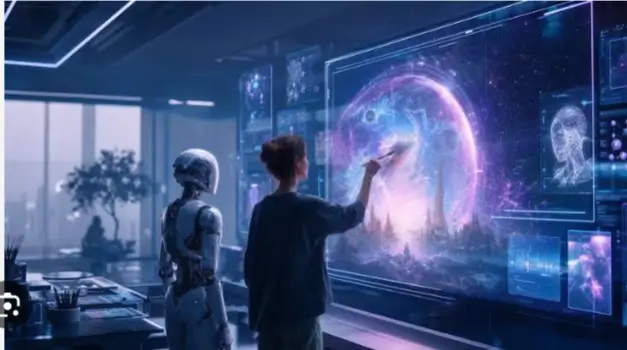

AI creates images by transforming data into visual representations through learned patterns. Neural networks internalize correlations from large datasets, forming abstractions and latent constructs that guide rendering. Sampling, interpolation, and model objectives shape coherence, realism, and novelty within learned distributions. Licenses, provenance, and attribution influence reuse and trust. Across domains, AI image workflows balance design intent with ethical constraints, enabling scalable visualization while demanding governance over consent and transparency, leaving open questions about evaluation and control.
How AI Renders Images: From Data to Pixels
How AI renders images begins with data, not pixels. The process converts structured inputs into visual representations through model agility, sampling strategies, and interpolation. Concept bias shapes interpretation, while evaluation metrics quantify fidelity and novelty. Dataset licensing frames permissions and provenance, informing reuse. Rendering artifacts emerge from optimization limits, prompting engineering decisions. Model scaling, efficiency, and architectural choices determine output consistency and freedom-aware reproducibility.
How Neural Networks Learn What to Draw
Neural networks acquire drawing capabilities by internalizing patterns from data rather than encoding explicit instructions. They learn through representation learning, extracting structures from image generation training data and organizing them into latent constructs. This process enables abstraction, generalization, and compositional synthesis. Models adjust parameters to minimize error, aligning outputs with learned distributions and ensuring coherent, scalable generation without prescribing every detail.
See also: How Artificial Intelligence Could Change Society
What Makes AI Images Look Surprising or Real
AI-generated images appear surprising or real because they strike a balance between statistical realism and perceptual plausibility. The result hinges on data distribution alignment, context-aware prompting, and robust sampling methods that avoid conspicuous artifacts. Surprising realism emerges when coherence extends beyond pixels to semantic consistency.
Ethical implications arise from deceptive use, consent, and transparency, demanding rigorous evaluation and responsible, freedom-respecting governance.
Practical Uses and Future Trends in AI Image Creation
Practical uses and future trends in AI image creation span multiple sectors, from design and entertainment to journalism and scientific visualization. The analysis highlights scalable workflow integration, cross-domain validation, and hybrid human–machine collaboration as core drivers. Ethical considerations, transparency, and governance structures shape adoption. Ongoing debates address copyright ownership, attribution, and rights preservation within evolving automated content ecosystems.
Frequently Asked Questions
Can AI Imitate Specific Artists or Copyrighted Styles Safely?
AI cannot reliably imitate specific artists or copyrighted styles without ethical concerns; imitation ethics and copyright risk arise from potential infringement, misrepresentation, and devaluation of original work. The issue demands rigorous, legally informed scrutiny, balanced with creative freedom.
How Do Algorithms Prevent Bias in Generated Images?
Algorithms bias in image generation fairness is addressed through diverse training data, bias auditing, debiasing techniques, and transparent evaluation metrics; practitioners monitor outcomes, limit harmful stereotypes, and iterate safeguards to ensure equitable representation across demographics and contexts.
What Are the Environmental Costs of AI Image Models?
A skyline of servers hums; environmental cost weighs heavily. The data footprint grows with scale, demanding cooling and energy. Model efficiency matters; training energy consumption shapes accessibility, equity, and environmental stewardship in AI image creation.
Can AI Create Truly Original Art, or Only Mix Existing Data?
The question centers on whether AI achieves true originality or relies on source mixing. The originality debate persists: models often synthesize novel configurations yet derive meaning from analyzed data, raising concerns about originality versus replication within constrained, liberating computational frameworks.
How Can We Verify Image Authenticity and Source Provenance?
Image provenance is verifiable through metadata, watermarking, and cryptographic hashes; authenticity verification relies on tamper-evident trails, while artist attribution and copyright safeguards hinge on transparent provenance records and trusted registries, enabling freedom alongside accountability.
Conclusion
Artificial intelligence renders images by translating data into perceptible pixels through learned representations, sampling, and interpolation. Neural networks acquire drawing relevance via pattern abstraction, latent variables, and compositional synthesis, balancing fidelity to training distributions with creative novelty. What makes AI images notably convincing is the probabilistic coherence across layers, yielding consistent textures and structure. A striking stat: diffusion-based models can achieve state-of-the-art perceptual quality with fewer than 1,000 steps, underscoring efficiency gains alongside realism in automated visual synthesis.